Hello.
I visited my Dad earlier this week and thought I'd share some photos of his garden.
Cabbages.

Zucchini.

Cauli.

With all the rain we've had, the plants are looking really healthy.
And so are the weeds!


Thyme in flower.


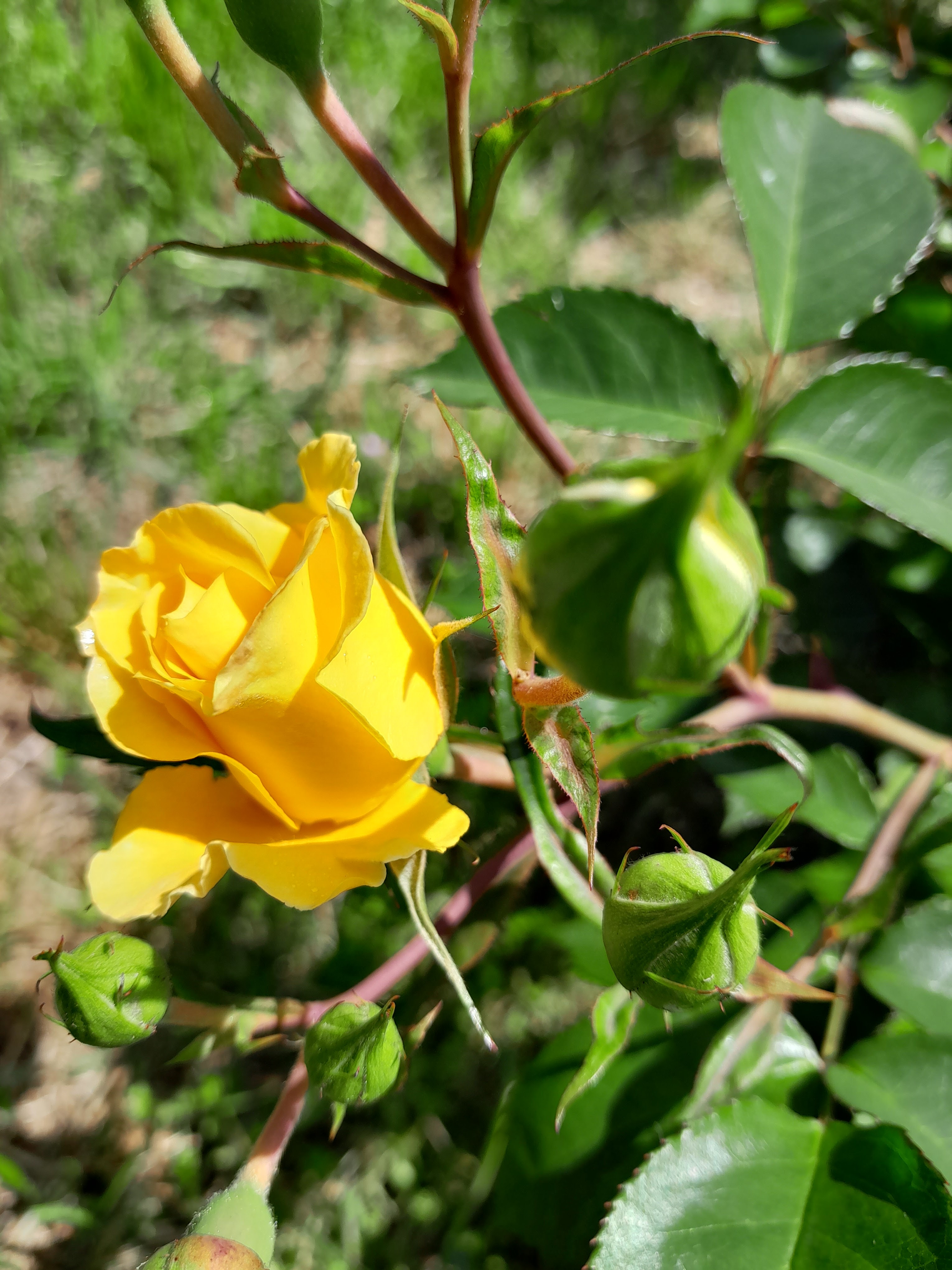
Rose buds forming.

Roses.



Mum's irises are beautiful this year. Its a shame she isn't here to see them.


Lavender.

Dark red pelargonium.

Huge earth worm on well weathered hands.

Pumpkins.

Mixture of Brussel sprouts, cauliflower, cabbages and zucchini in the background. There is also cucumber, pumpkins and melons in this patch. Dad has to fence things so the rabbits don't eat the plants.

Zucchini.


Dad the great tinkerer/inventor. This is a homemade grass cutter he is working on.

Tomatoes are coming along.
Down the bottom of picture is some years old wheat he found and planted to see if it would grow.
And it did!

Huge heads of broccoli. I brought one home with me along with a massive cabbage.


Very tall thistles in the strawberry patch.


Dad is a very good gardener.


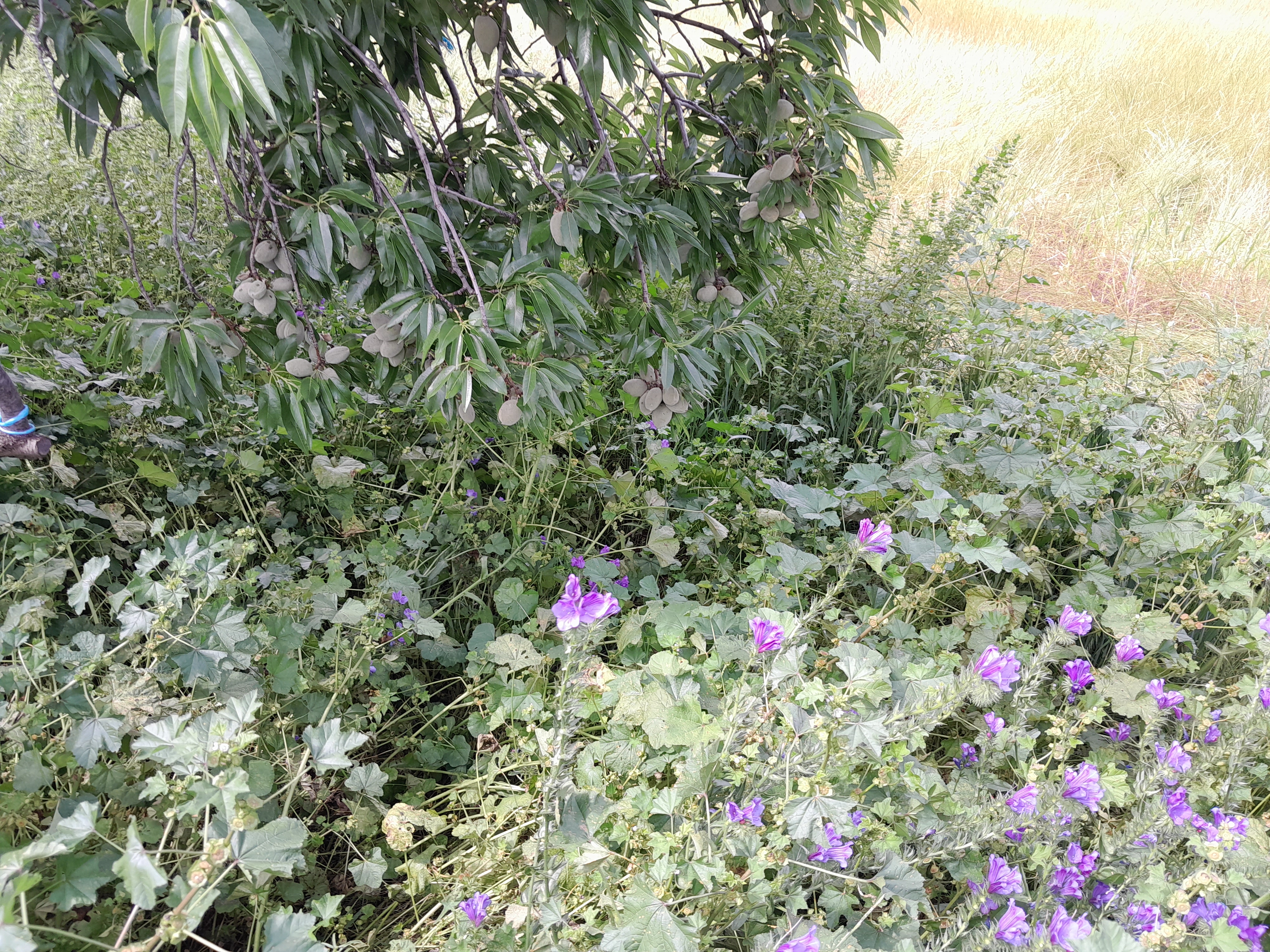
The almond tree is absolutely loaded this year and they are huge! There are also other fruit trees, nectarines, apricots, peaches, and figs, all growing well.



We walked around the 10 acres and found some mushrooms.

The road home...

I treasure this time I get to spend with my dad. He has just turned 86 years old, and in good health for his age. He keeps busy, and is outside most of the day until the sun goes down.
Bless him.
See you soon,
xTania